


Rainbow Six Mobile
4.54.51K Reviews
App Specs
- Version
- 2.2.103
- Updated On
- License
- Free
- Downloads
- 10,000,000+
- Developer
- Ubisoft Nova
- Categories
- Action
- Platform
- Android, iOS
Screenshots
 Analysis by AppCompare
I usually reach for a phone shooter when I have a short break, but a tactical match asks for a different kind of attention: I need to watch the space, make a plan and stay ready to change it. Rainbow Six Mobile is built around that tension. It brings the Rainbow Six style of team-based action to mobile, where a quick decision can matter more than simply moving and firing. I’d recommend it to players who enjoy thinking through a fight, not just chasing constant action.
Who will enjoy this kind of match?
This is an action game from Ubisoft Nova, and its appeal is clearest if you already like coordinated shooters or want a more deliberate alternative to a run-and-gun match. The game is free to start, carries a Teen age rating, and has a 4.6 average from around 83,000 ratings, with over 10 million installs. Those figures suggest a broad audience, but they don’t mean it will suit every mobile player: the tactical pace rewards patience, communication and learning from mistakes.
A realistic use case is a planned evening session with a friend, when both of you can focus on a full match rather than squeezing in a round while distracted. In that setting, discussing an approach and adjusting after a failed push can be part of the fun. If you mostly play one-handed while commuting, need rounds that can be abandoned instantly, or dislike depending on teammates, a casual arcade shooter may be a better fit.
Gameplay and Features
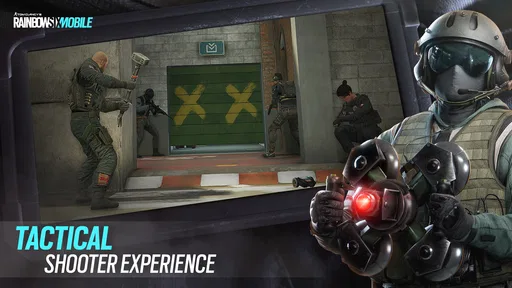
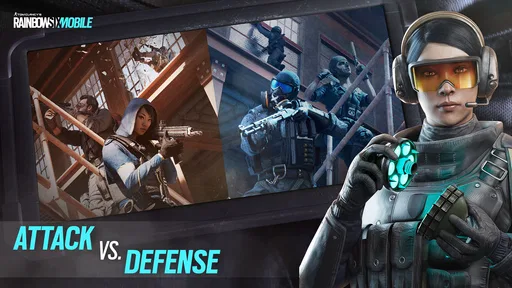
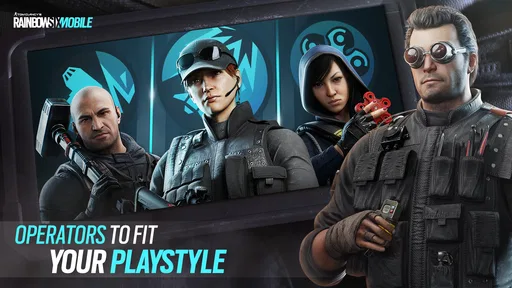
When it comes to gameplay, Rainbow Six Mobile doesn’t disappoint. It retains the core elements that fans of the series love. You’ll get to engage in fierce 5v5 matches, where strategy and teamwork are key. You choose from a roster of iconic operators, each bringing unique abilities and styles to the table. Whether you’re breaching a wall or setting up defenses, every move counts.
The first action: make a plan, then adapt
The first useful habit is to treat the opening moments as information-gathering, not a race to score a quick elimination. With several routes and destructible spaces, choosing where to move can shape the rest of a push or defense. I’d start by learning one map at a time: notice which approaches feel exposed, where a wall can change a route, and what your team seems to be trying to protect. That small routine is more valuable than trying to memorize every detail at once.
Operator choice also matters most when it supports a team’s plan. It’s tempting to pick the character that looks most exciting, but a more practical question is what the group needs: a way to pressure a route, cover a position or help a coordinated move. The trade-off is that experimentation can cost a round while you learn how an ability fits into the pace. I’d try new choices when I’m comfortable with the map, rather than changing several things at once and then not knowing what caused a mistake.
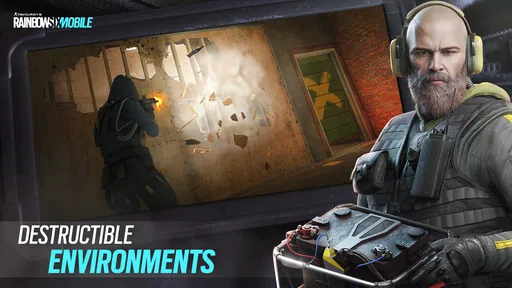
One of the things I absolutely love about this game is how it keeps you on your toes. The maps are well-designed, offering multiple routes and tactical options. You’ll find yourself constantly adapting, trying to outsmart your opponents. The destructible environments add another layer of depth, allowing for creative playstyles. Trust me, there’s nothing quite like the thrill of successfully executing a well-planned strategy with your team.
Worth Reading Before You Choose

EA SPORTS FC Mobile 26 Is a Bigger Football Game, but It Takes Time

Flipboard Shows What News Apps Must Do Beyond the Feed

Switching to Android Auto Means Rethinking Your Driving Routine

Google Calendar Makes a Crowded Week Easier to Manage

Ludo King Makes the Most of the Minutes Between Plans

Baby Panda World Brings Quick Play to Modern Phones, but Its Game Library Feels Busy
Feedback rhythm: what a round teaches you
The satisfying part of a tactical match is the feedback loop: you make a choice, see whether the opposing team anticipated it, then decide what to change. A failed approach is useful only if you can identify why it failed. Was the route too predictable? Did the team split its attention? Did you commit before anyone was ready? I find it more rewarding to focus on one lesson per match than to blame every loss on aim or luck.
That way of playing also explains why the game can feel demanding. A good decision may not pay off immediately, and a teammate’s different plan can disrupt yours. Solo players can still enjoy the action, but they should expect less control over coordination than they would have with friends. If teamwork is the main reason you’re interested, arranging a regular partner or group is a more reliable way to get that experience than expecting every queue to produce instant chemistry.
Graphics and Sound
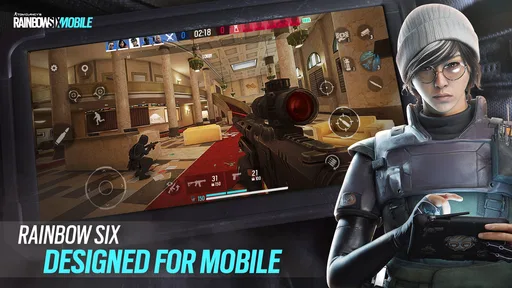
The visuals in Rainbow Six Mobile are top-notch. The developers have done a fantastic job in translating the console experience to mobile. The environments are detailed, and the character models are sharp. It’s impressive how they’ve managed to maintain high-quality graphics without compromising performance, even on mid-range devices.
Sound design is another area where the game shines. The audio cues are crisp and clear, which is crucial in a game that relies heavily on strategy and situational awareness. From the satisfying clink of a magazine reload to the tense silence before a breach, the sound immerses you completely in the action.
Use sound and visuals with intention
In a game built around awareness, sound is not just atmosphere. I’d play somewhere I can hear the phone clearly, and I’d avoid treating background audio as decoration; small cues can help me stay oriented while a route changes. The practical trade-off is that this makes the game less convenient in noisy places or when I need to keep the volume down. If I can’t listen closely, I’d choose a different moment to play rather than assume the match will feel the same without that information.
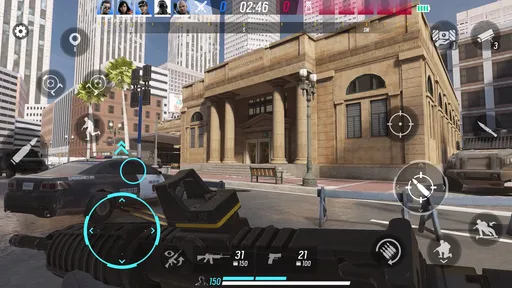
Visual clarity matters for a similar reason. A detailed scene is appealing, but during a tense exchange I care more about quickly reading where I am and what is happening than admiring textures. If a match feels visually busy on your device, I’d focus on keeping the screen unobstructed and the control layout comfortable before chasing a more elaborate setup. The most useful configuration is the one that lets you react consistently, not the one that looks impressive in a screenshot.
Controls and Accessibility
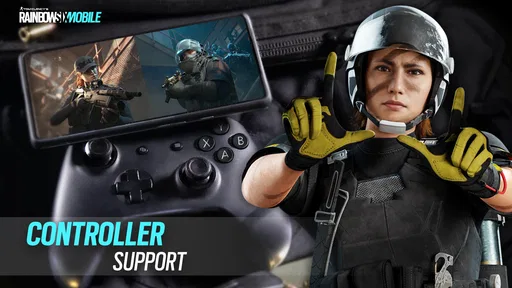
Now, onto the controls, which are often a make-or-break factor for mobile games. I’m happy to report that Rainbow Six Mobile handles this well. The touch controls are intuitive and responsive. You can customize the layout to suit your preferences, which is a big plus. There’s also support for external controllers if you prefer a more traditional setup.
For those worried about accessibility, the developers have included various options to accommodate different play styles and needs. This ensures that a broader audience can enjoy the game without feeling left out or overwhelmed.
Set up controls before the pressure starts
My practical advice is to adjust the touch layout in a low-pressure moment, then keep it steady for several matches. Moving buttons around after every frustrating round makes it hard to tell whether a problem came from the layout or from a decision in the match. If you use a controller, remember that preference is personal: it may feel familiar, but it won’t automatically make tactical choices or teamwork easier. I’d choose one control method, give it time, and change it only when I can name the specific difficulty I’m trying to solve.
The game is free, but it includes in-app purchases ranging from $0.69 to $179.99 per item. That wide range is a reason to decide your own spending limit before browsing optional purchases, especially if you’re trying the game because the initial download costs nothing. I’d first see whether the match loop itself holds my attention; spending is unlikely to fix a mismatch between the game’s deliberate pace and the kind of shooter I actually enjoy.
Reward: improvement is part of the payoff
The strongest reward here is the feeling that a team plan worked because everyone followed through. A successful breach or a well-held position gives a clear reason to queue again: you want to repeat the coordination, or test whether you can solve the same problem more cleanly. For me, that kind of satisfaction lasts longer than a simple string of eliminations because it comes from reading the situation, not just reacting quickly.
There is also a useful way to make progress without turning every session into a grind: set a small personal goal before starting. I might focus on communicating a route clearly, staying with the team, or learning how a chosen operator contributes. That gives a match a purpose even when the result is disappointing. Players who need a constant stream of obvious rewards may find the quieter satisfaction of tactical improvement less compelling.
Comparing it with other mobile shooters
Compared with the usual fast mobile shooters, Rainbow Six Mobile asks for more patience and gives more weight to position, preparation and coordinated decisions. That is its clearest distinction, and also its biggest barrier. If I want immediate action with minimal planning, an arcade-style alternative is the easier choice. If I want a phone game where a route, a defensive setup or a change of approach can define the round, this one is more appealing.
It also isn’t the best choice for every fan of the wider Rainbow Six style. A small screen and touch input create different demands from playing a shooter on a larger display, and a mobile match is easier to disrupt with interruptions. I’d choose a console or PC option when I want a longer, more focused session and the familiar feel of that setup. I’d choose this mobile version when portability matters and I’m prepared to give the match my attention rather than play on autopilot.
Session reset: when to queue again
Each round gives you a natural reset. After a win, I’d avoid repeating the same approach automatically; the other team may adapt. After a loss, I’d pick one adjustment instead of changing my operator, route and controls all at once. This keeps the next attempt informative. It also makes stopping easier: if I’m tired, distracted or annoyed enough that I can’t make a clear decision, another match is unlikely to be more enjoyable just because it starts quickly.
That rhythm suits planned breaks better than tiny gaps in a busy day. A quick session can still be fun, but the tactical payoff depends on having enough attention to follow what teammates are doing. Before starting, I’d ask myself whether I have time to finish a match without needing to drop everything halfway through. That simple check helps avoid turning a team game into a source of frustration for both me and the people playing alongside me.
Community and Updates
One of the things that keeps a game alive is its community, and Rainbow Six Mobile has a vibrant one. The developers are active in providing updates and listening to player feedback, which is always a good sign. Regular events and challenges keep the gameplay fresh and engaging, giving you plenty of reasons to keep coming back.
From what I’ve seen, the game has a promising roadmap with plans for new content and features. This dedication to continuous improvement makes me confident in the game’s future and longevity.
The game launched on February 23, 2026, and version 2.0.000 is the current version. Those details are useful context if you’re comparing notes with friends or troubleshooting a difference in what you see. Its Teen rating is another practical point for families deciding whether it suits a younger player. I’d still judge suitability by the person’s comfort with competitive action and online team play, not just by the age label.
Who should skip it, and who should stay?
I’d skip it if I want a shooter that is easy to enjoy while half-watching something else, if I strongly dislike relying on teammates, or if a tactical loss tends to sour the rest of my evening. The game’s distinctive appeal depends on paying attention and accepting that a plan can fail. Players who prefer uncomplicated solo action will probably be happier elsewhere in the mobile action category.
I’d stay if I enjoy learning maps, coordinating with friends and gradually getting better at reading an opponent. The best everyday use is not necessarily a long marathon: it can be a focused session after work or school, with a clear stopping point and one idea to practice. That approach makes each match feel less like a coin toss and more like a small problem to solve together.
Final Thoughts
Overall, Rainbow Six Mobile delivers a thrilling, tactical shooter experience that fans of the genre will absolutely love. It successfully brings the essence of the Rainbow Six franchise to a platform that’s accessible to everyone. Whether you’re a seasoned player or a newcomer looking for a strategic challenge, this game has something to offer.
If you’re ready to test your skills and dive into intense tactical battles, give Rainbow Six Mobile a try. It’s available for both Android and iOS, and trust me, once you start playing, you might find it hard to put down.
My more measured recommendation is to try it when you can give a match your full attention, set up controls that feel comfortable, and focus on learning one thing at a time. The reason to start another session is not simply that the game keeps moving; it’s that the next round gives you a fresh chance to adjust your plan. If that action, feedback, reward and reset loop sounds satisfying, this is a strong fit. If you want instant, low-commitment shooting, I’d choose a more straightforward alternative.
Pros
- Highly immersive tactical gameplay.
- Smooth and responsive controls.
- Regular updates with new content.
- Strong community and multiplayer support.
- Stunning graphics for mobile play.
Cons
- Requires a stable internet connection.
- Large file size may be an issue.
- Battery consumption is quite high.
- Limited offline functionality.
- Learning curve for new players.
FAQs for Rainbow Six Mobile
What is Rainbow Six Mobile?
Rainbow Six Mobile is a tactical first-person shooter game designed specifically for mobile devices. It brings the intense, strategic gameplay of the popular Rainbow Six series to Android and iOS platforms, allowing players to experience the thrill of tactical operations on the go. The game features various modes, iconic operators, and realistic environments.
How do the controls work on mobile devices?
Rainbow Six Mobile offers customizable touch controls tailored for mobile gameplay. Players can adjust sensitivity, layout, and other settings to fit their preferences. The intuitive controls are designed to replicate the precision and strategy of the console and PC versions, ensuring a seamless transition to mobile devices without compromising the tactical depth.
Are there in-app purchases in Rainbow Six Mobile?
Yes, Rainbow Six Mobile includes in-app purchases. Players can buy various items such as cosmetic skins, operators, and battle passes. While these purchases can enhance the gaming experience, they are optional and not necessary to enjoy the core gameplay. The game maintains a balance to ensure fair play for all users.
What devices are compatible with Rainbow Six Mobile?
Rainbow Six Mobile is designed to run on a wide range of Android and iOS devices. However, for optimal performance, it's recommended to use newer models with up-to-date operating systems. The game may have specific hardware requirements, such as a certain amount of RAM or processing power, which you can check on the download page before installing.
Can I play Rainbow Six Mobile with friends?
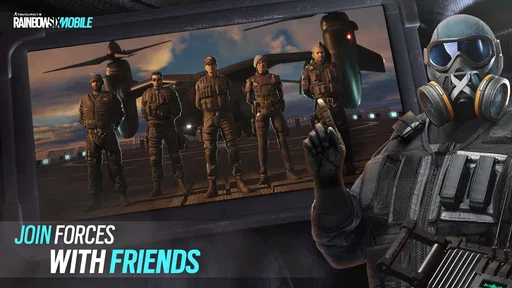
Absolutely! Rainbow Six Mobile supports multiplayer gameplay, allowing you to team up with friends or other players online. The game features various modes that emphasize teamwork and strategy, making it an excellent choice for cooperative play. You can communicate with your team using in-game voice chat to coordinate tactics and strategies effectively.


